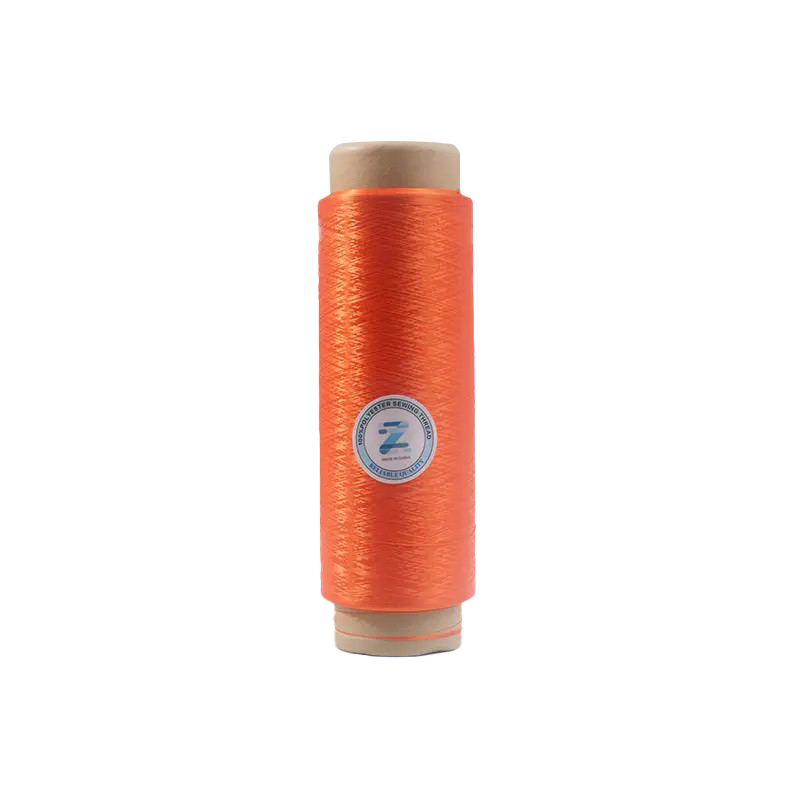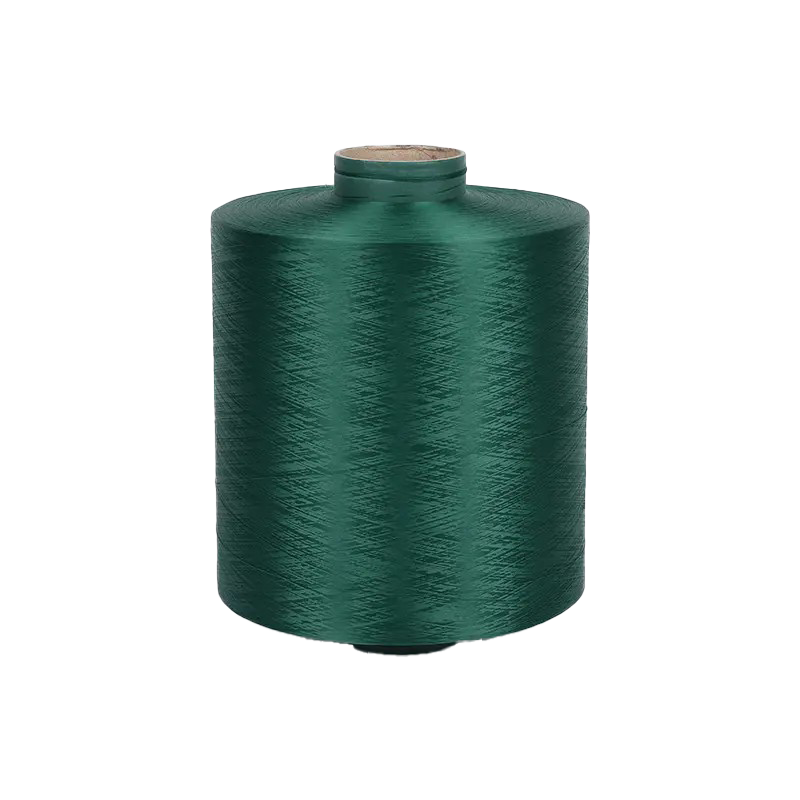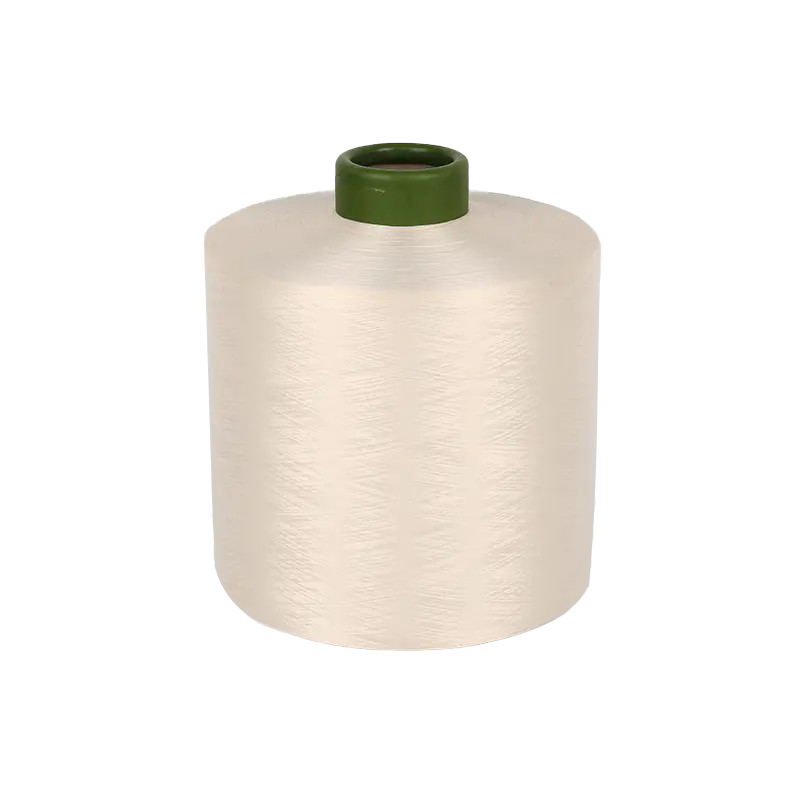
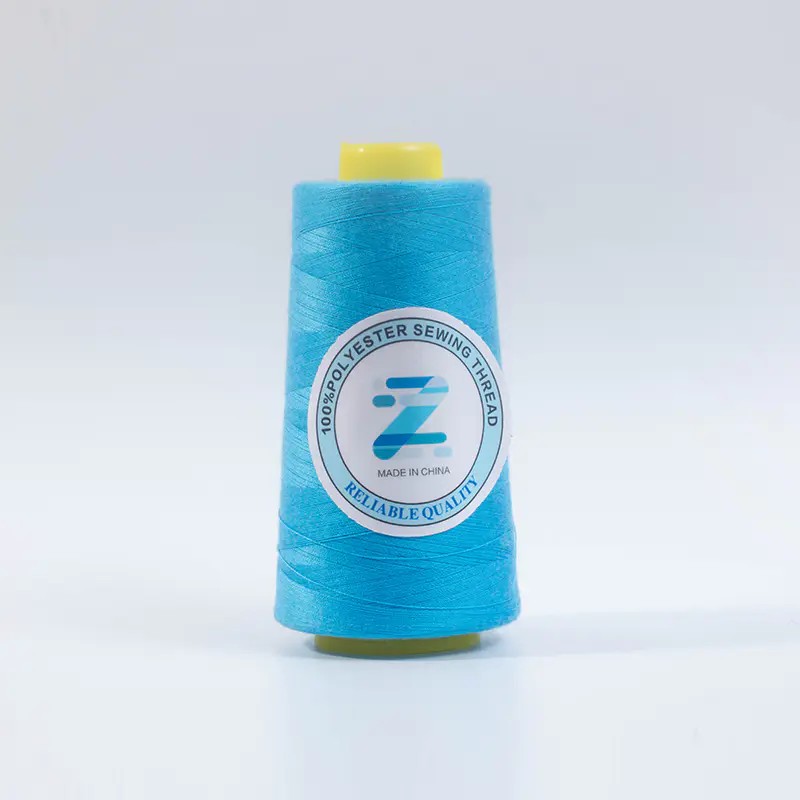
Nylon vs Polyester Thread: The Short Answer
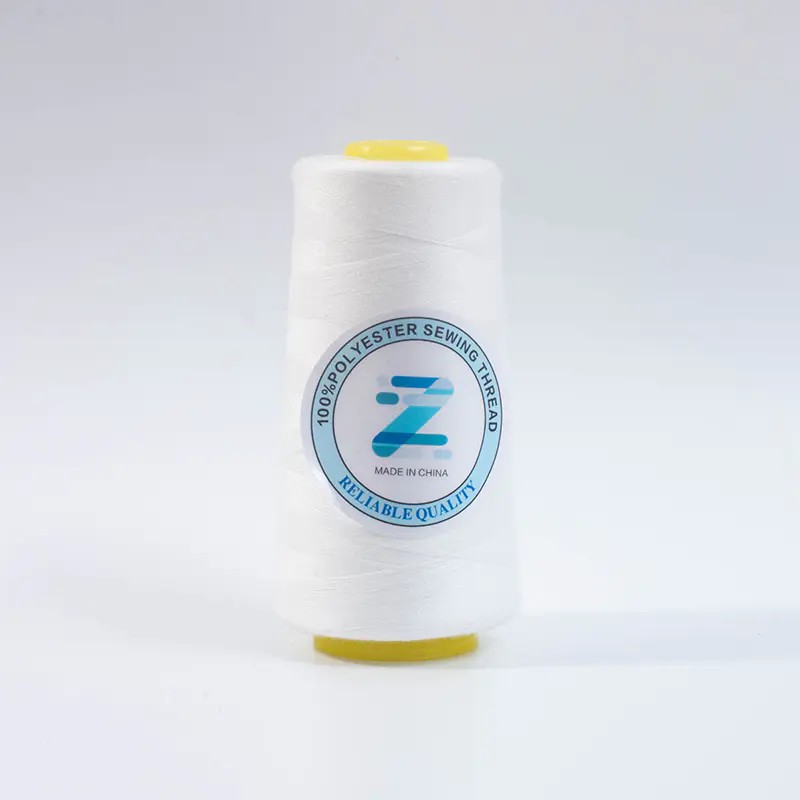
Polyester thread wins for most embroidery and general sewing applications, offering superior color fastness, UV resistance, and heat tolerance. Nylon thread, by contrast, excels in applications requiring maximum stretch, flexibility, and abrasion resistance — such as upholstery, lingerie, and outdoor gear stitching. Neither is universally better; the right choice depends entirely on your fabric, project conditions, and end-use requirements.
Both are synthetic threads, but they differ fundamentally in molecular structure. Polyester is made from polyethylene terephthalate (PET) — a polymer known for rigidity and chemical stability. Nylon is a polyamide, inherently more elastic and moisture-absorbent. These molecular differences cascade into real-world performance distinctions that matter enormously in practical use.
Key Property Comparison: Nylon vs Polyester Thread
| Property | Nylon Thread | Polyester Thread |
|---|---|---|
| Tensile Strength | Higher (up to 9 g/denier) | Moderate (5–7 g/denier) |
| Elasticity | High (15–28% elongation) | Low (10–15% elongation) |
| UV Resistance | Poor — degrades in sunlight | Excellent — stable outdoors |
| Moisture Absorption | ~3.5–4.5% (absorbs moisture) | ~0.4% (nearly moisture-free) |
| Color Fastness | Moderate — fades over time | Excellent — resists fading |
| Heat Resistance | Melts at ~220°C | Melts at ~260°C |
| Chemical Resistance | Good (most chemicals) | Excellent (acids, bleach) |
| Typical Price Range | Slightly higher | More affordable |
Polyester Embroidery Thread: Why It Dominates the Industry
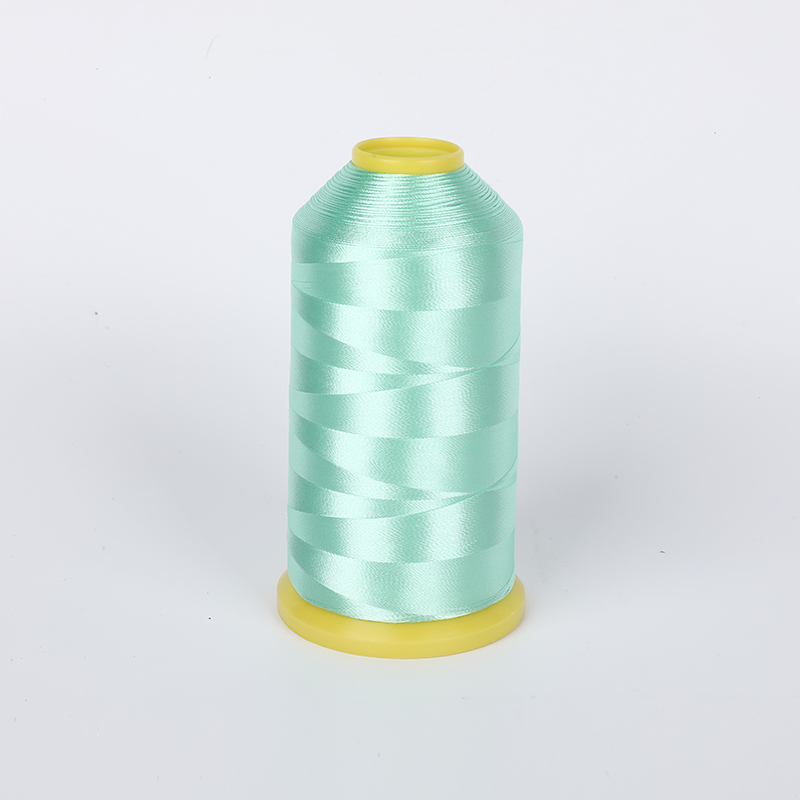
Polyester embroidery thread has become the industry standard for machine embroidery worldwide, and for good reason. Its fiber characteristics align almost perfectly with the demands of modern embroidery — both commercial and hobbyist.
Sheen, Color Range, and Consistency
High-quality polyester embroidery thread — such as 40-weight trilobal polyester — is engineered with a triangular filament cross-section that reflects light similarly to rayon silk, giving embroidery that distinctive lustre without rayon's fragility. Color consistency batch-to-batch is critical for brands that need matching embroidery across thousands of garments.
Washability and Longevity
Polyester embroidery thread survives industrial laundering at temperatures up to 95°C without significant color loss — a critical requirement for workwear, sportswear, and uniforms. In standardized ISO 105-C06 wash-fastness testing, top-grade polyester embroidery threads consistently score 4–5 on a 5-point scale. Nylon thread, in contrast, yellows under repeated high-heat washing and UV exposure, making it unsuitable for most embroidery applications.
Machine Compatibility
Polyester's low moisture absorption (~0.4%) means it runs smoothly through embroidery machine tension systems even in humid environments. Nylon thread, absorbing up to 4.5% moisture, can swell slightly in humid conditions, causing inconsistent tension, thread breaks, and uneven stitch formation — problems that are especially disruptive on multi-head commercial embroidery machines running at 800–1,200 stitches per minute.
Polyester Sequin Yarn: A Specialized Application Worth Understanding
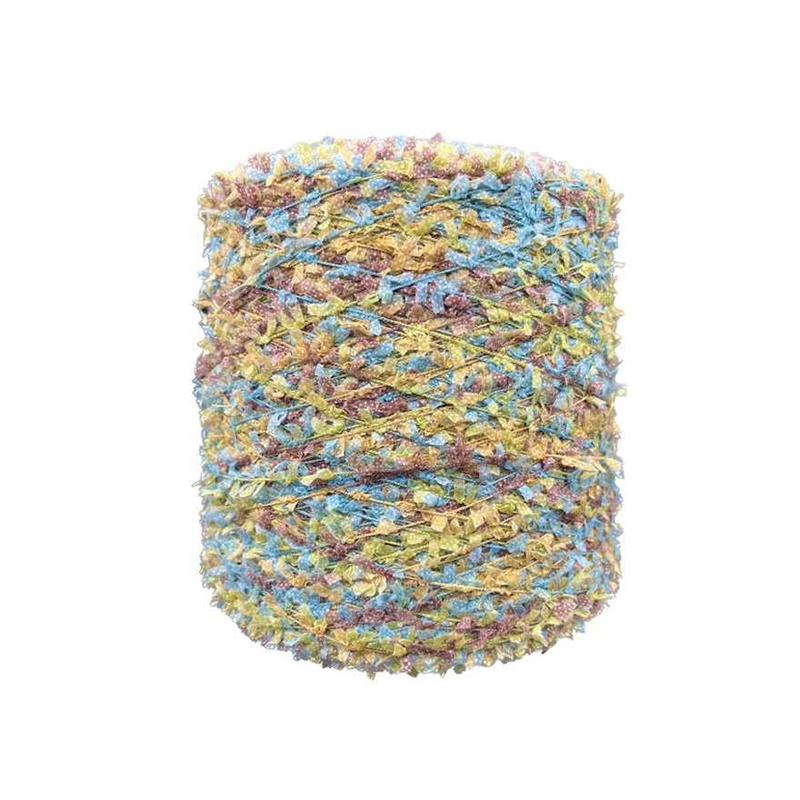
Polyester sequin yarn is a distinct product category that merges the stability of polyester thread with decorative sequin or metallic elements. It is widely used in fashion embroidery, evening wear, stage costumes, and decorative textile applications.
How Polyester Sequin Yarn Is Constructed
In most constructions, PET (polyester) discs or flat sequin films are strung onto a polyester or nylon core thread, then wrapped with an additional filament to secure them. The choice of polyester over nylon as the core is deliberate: polyester's dimensional stability ensures sequins remain evenly spaced and don't bunch or slip under tension during sewing or embroidery.
Sequin Size and Stitch Compatibility
Common sequin sizes in commercial embroidery yarn range from 3mm to 6mm diameter. Smaller 3mm sequin yarns can be run on standard embroidery machines with sequin-attachment devices, while 6mm and larger are typically applied by hand or specialized sewing attachments. Polyester-core sequin yarns generally handle machine tension better than nylon-core alternatives because they stretch less during feeding, reducing sequin drop-off.
Care and Durability Considerations
Polyester sequin yarn garments should be hand-washed or machine-washed on a delicate cycle in cold water. While the polyester carrier thread itself is highly durable, sequin films — often made from biaxially oriented PET film — can scratch, warp, or lose reflectivity if exposed to high heat. Always use a mesh laundry bag and avoid tumble drying. PET sequins are more heat-stable than acetate sequins, maintaining shape up to approximately 70°C before distortion occurs.
Where Nylon Thread Still Has the Edge
Despite polyester's dominance in embroidery, nylon thread is the correct choice in several specific scenarios. Choosing polyester in these situations would result in poor performance or premature failure.
- Stretch fabrics and lingerie: Nylon's 15–28% elongation matches the stretch of spandex, neoprene, and elastane blends far better than polyester, preventing seam puckering and thread breakage when the fabric flexes.
- Upholstery and leatherwork: Bonded nylon thread — typically size 69 or 92 — offers exceptional abrasion resistance for stitching automotive interiors, furniture, bags, and leather goods that experience constant surface friction.
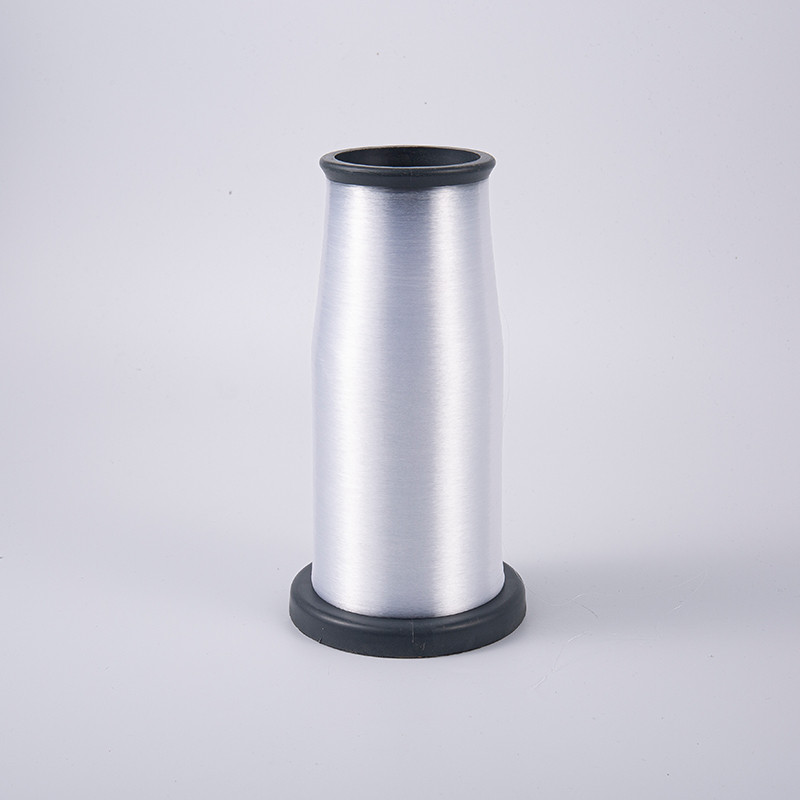
- Fishing line and netting: Nylon monofilament's transparency and near-invisibility in water, combined with its high tensile strength-to-diameter ratio, make it the standard in fishing and aquaculture netting.
- Beading and jewelry: Nylon beading thread (e.g., size D or F Nymo thread) resists cutting from sharp-edged gemstones and seed beads better than equivalent polyester threads.
- Medical and surgical applications: Certain surgical sutures use nylon for its biocompatibility and controlled elasticity, though this is highly specialized and regulated.
Thread Weight and Denier: What the Numbers Actually Mean
Both nylon and polyester threads are sold in standardized weight systems, but these vary by region and application. Understanding thread weight helps you match thread to needle size, stitch density, and fabric weight.
| Weight Designation | Typical Denier | Common Use | Recommended Needle |
|---|---|---|---|
| 60 wt | 60–80 denier | Fine detail embroidery, bobbin thread | Size 60–70 |
| 40 wt | 120–135 denier | Standard machine embroidery | Size 75–90 |
| 30 wt | 175–200 denier | Bold fills, quilt piecing | Size 90–100 |
| 12 wt | 400–500 denier | Decorative topstitching, heavy embroidery | Size 100–110 |
For nylon thread used in upholstery or bonded applications, the sizing system differs. Bonded nylon is typically labeled by size number (T-70, T-90, T-135, T-210), where higher numbers indicate thicker, stronger thread. T-70 is the workhorse size for leather goods and medium-duty upholstery; T-135 and above are reserved for heavy canvas, marine applications, or structural stitching in safety equipment.
Environmental and Sustainability Considerations
Both nylon and polyester are petroleum-derived synthetics, and neither is biodegradable. However, there are meaningful differences in their environmental profiles that increasingly matter to manufacturers and consumers.
- Recycled polyester (rPET): Polyester thread can now be produced from recycled PET bottles. Brands like Coats and A&E offer rPET thread lines with substantially reduced carbon footprints — approximately 32% lower CO₂ emissions per kg compared to virgin polyester, according to industry lifecycle analyses. rPET thread performance is virtually identical to virgin polyester for most embroidery applications.
- Recycled nylon: Recycled nylon is available but far less common in thread form. It is more expensive and primarily appears in premium textile and activewear supply chains.
- Microplastic shedding: Both fiber types shed microplastics during washing. Research suggests that textured or multi-filament yarns shed more than smooth monofilament threads. Using laundry bags can reduce microplastic release by up to 86%.
- Longevity as sustainability: Polyester thread's superior UV and wash resistance means embroidered garments last longer before replacement — an often-overlooked sustainability advantage.
How to Choose: A Practical Decision Guide
Use the following criteria to make a confident choice between nylon and polyester thread for your specific project:
- Machine embroidery on any fabric → Polyester embroidery thread (40 wt). Color fastness, machine compatibility, and washability make polyester the default choice for virtually all machine embroidery.
- Decorative or fashion embroidery with sparkle → Polyester sequin yarn. Choose a polyester-core sequin yarn for dimensional stability and sequin retention. Match sequin size to machine capability.
- Outdoor applications with sun exposure → Polyester. UV stability is non-negotiable for awnings, outdoor furniture, boat covers, and marine upholstery.
- Stretch fabrics (swimwear, sportswear, lingerie) → Nylon. Match thread elasticity to fabric elasticity to prevent seam failure.
- Leather goods and heavy upholstery → Bonded nylon (T-70 or T-90). Abrasion resistance and tensile strength are paramount here, and nylon delivers.
- Sustainability-conscious production → Recycled polyester (rPET) thread. Performance equivalent to virgin polyester with a meaningfully reduced environmental footprint.
When in doubt, request thread samples from suppliers and test with your specific fabric, machine settings, and washing conditions before committing to large production runs. A $20 sample test can prevent a $2,000 production error.